
Dubai Labour Visa Process – Everything Foreign Workers Should Know Before Applying


Dubai (and the wider UAE) attracts millions of foreign professionals and skilled workers each year. If you’re planning to work in Dubai, a Labour Visa (commonly called a UAE Work Visa) is mandatory. This guide explains everything involved, from eligibility and documents to costs, timelines, rights, and common mistakes—so you can apply with confidence.
1. What Is a Dubai Labour Visa?
A Dubai Labour Visa is a residence visa that allows a foreign national to live and legally work in Dubai. It is always sponsored by a UAE-based employer and is usually valid for 2 years (sometimes 1 or 3 years depending on employer category and free zone rules).
⚠️ You cannot self-sponsor a labour visa unless you qualify for special categories like Green Visa, Freelance Visa, or Investor Visa.
2. Who Can Apply? (Eligibility Criteria)
To qualify for a Dubai labour visa, you must:
- Be 18 years or older
- Have a valid job offer from a UAE-registered company
- Meet the skill level required for the job
- Pass a medical fitness test
- Have no serious criminal record
- Hold a passport valid for at least 6 months
Skill Categories (MOHRE Classification)
- Category 1 – Professionals (degree holders: engineers, doctors, IT specialists)
- Category 2 – Skilled workers (technicians, supervisors)
- Category 3 – Semi-skilled or unskilled workers
Your category affects:
- Visa approval speed
- Salary requirements
- Employer fees
3. Who Sponsors the Visa?
Your employer is your sponsor and is legally responsible for:
- Applying for your work permit
- Paying most visa-related fees
- Providing health insurance
- Ensuring your legal employment status
Employees should not pay recruitment or visa costs (this is illegal under UAE labour law).
4. Step-by-Step Dubai Labour Visa Process

Step 1: Job Offer & Employment Contract
- You receive an official job offer
- Employer issues a MOHRE-approved contract
- Both parties sign electronically
Step 2: Work Permit Approval (MOHRE)
- Employer applies for a work permit from:
- MOHRE (mainland companies), or
- Relevant Free Zone Authority
- Authorities verify qualifications and company quota
⏱ Time: 3–7 working days
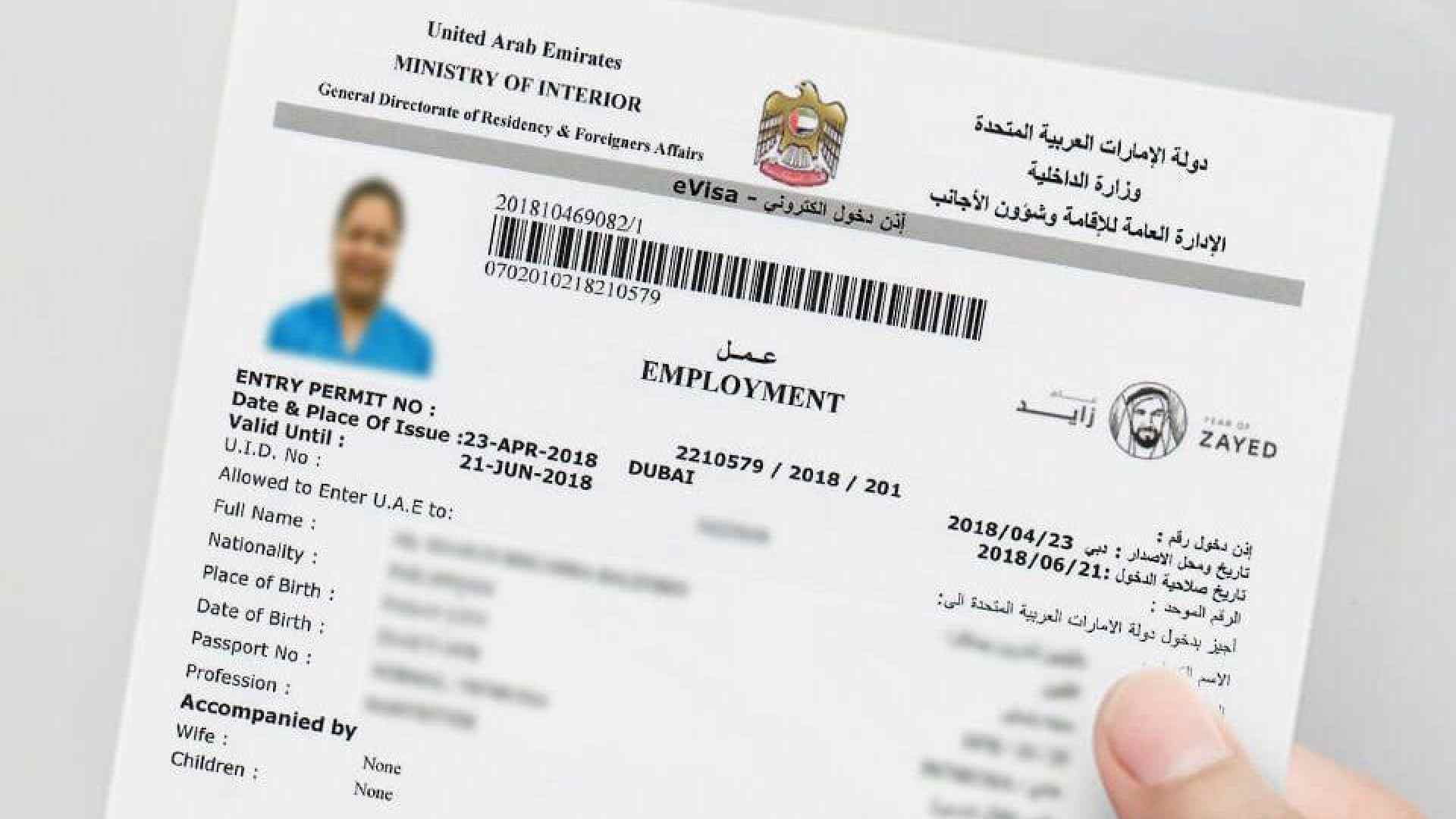
Step 3: Entry Permit Issued
- Also called Employment Entry Visa
- Allows you to enter the UAE legally for work
- Valid for 60 days
If you are already in the UAE, your status will be changed without exit.
Step 4: Medical Fitness Test
You must undergo medical screening at a government-approved center:
- Blood test (HIV, Hepatitis)
- Chest X-ray (Tuberculosis)
❌ Failing the medical test leads to visa rejection.
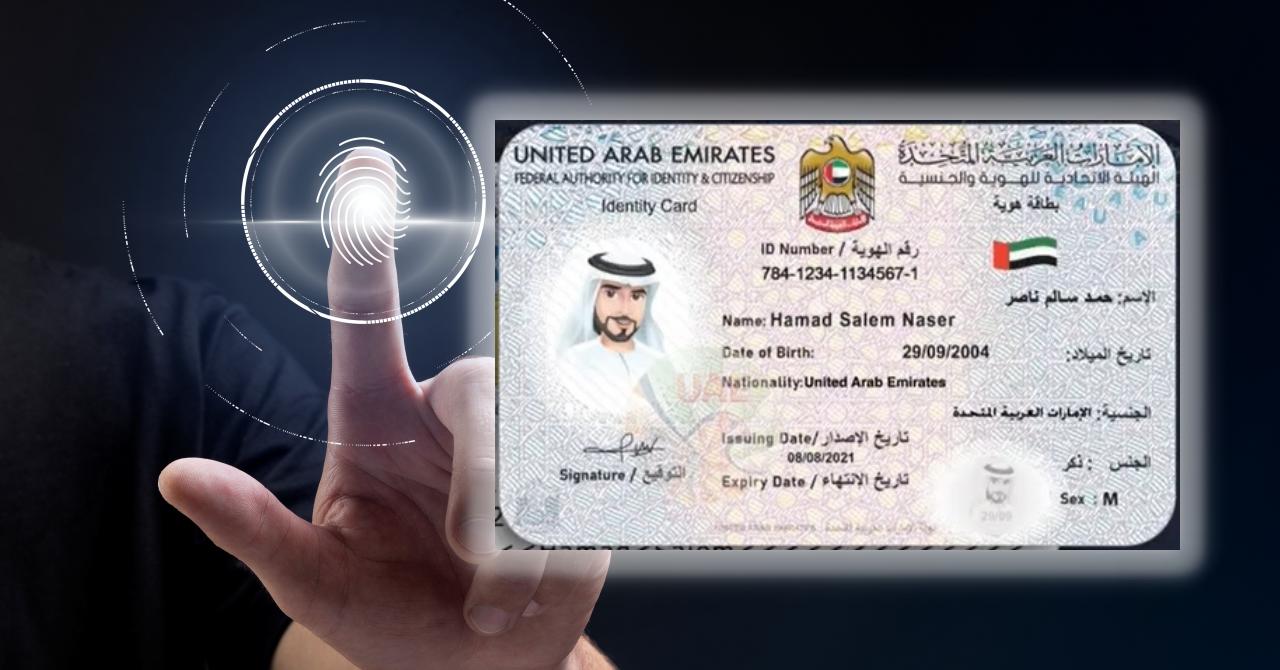
Step 5: Emirates ID Registration
- Biometric data (fingerprints & photo)
- Emirates ID is your official UAE identification
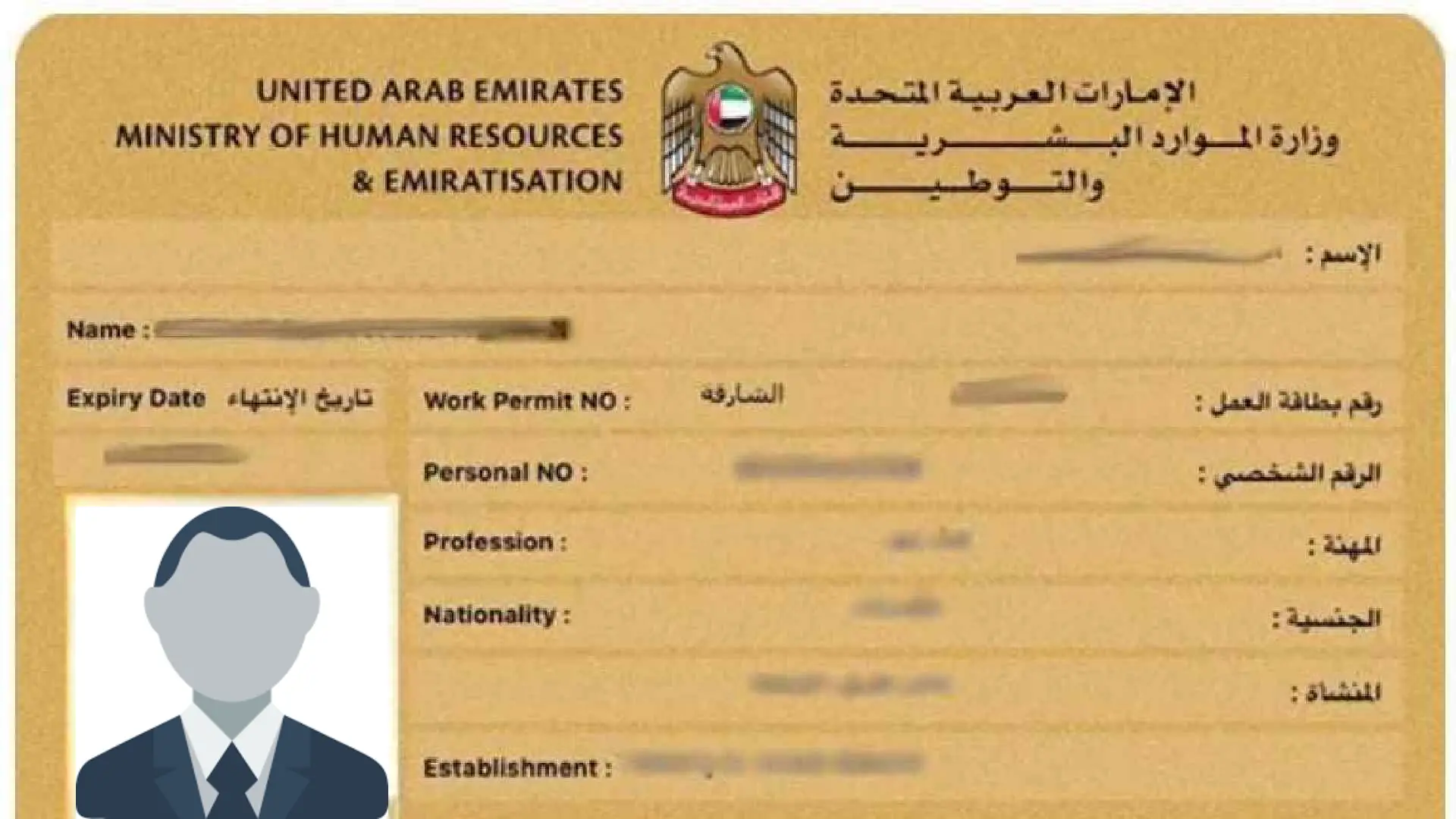
Step 6: Labour Card Issuance
- Also known as Work Card
- Issued by MOHRE
- Confirms your legal employment status
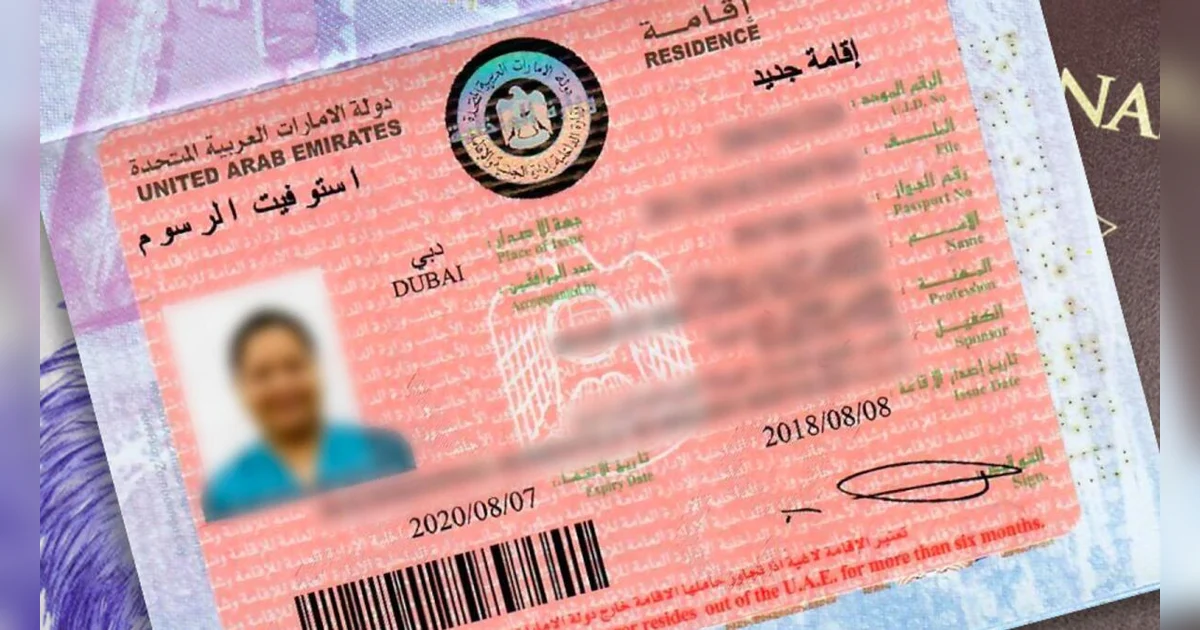
Step 7: Residence Visa Stamping
- Visa is stamped (or digitally issued) on your passport
- You can now legally live and work in Dubai
5. Documents Required
From the Employee:
- Passport (6+ months validity)
- Passport-size photographs
- Educational certificates (attested)
- Professional experience certificates (if required)
- Medical fitness certificate
From the Employer:
- Trade license
- Establishment card
- Signed labour contract
- Work permit approval
6. Visa Validity & Renewal
- Usually valid for 2 years
- Renewable before expiry
- Grace period after expiry: 30 days
Overstaying can result in daily fines and legal issues.
7. Cost of Dubai Labour Visa
💡 Employer pays the majority of costs
Typical costs (approximate):
- Work permit: AED 300–5,000 (depends on skill level)
- Medical test: AED 250–350
- Emirates ID: AED 370–570
- Residence visa stamping: AED 500–1,000
If an employer asks you to pay visa fees, this is a red flag.
8. Processing Time
- Entire process usually takes 2–4 weeks
- Free zone visas may be faster
- Delays can occur due to document attestation or medical results
9. Employee Rights Under UAE Labour Law
As a labour visa holder, you are entitled to:
- A written employment contract
- Timely salary payment (WPS system)
- Health insurance
- Paid annual leave
- End-of-service gratuity
- Safe working conditions
You can file complaints with MOHRE if your rights are violated.
10. Changing Jobs in Dubai
You can change employers if:
- Your contract ends
- You complete probation
- Employer agrees to release you
- Certain legal conditions are met
New rules allow greater job mobility compared to the past.
11. Common Mistakes to Avoid
❌ Entering Dubai on a visit visa and working illegally
❌ Paying agents or employers for visa processing
❌ Submitting fake degrees or certificates
❌ Missing visa renewal deadlines
❌ Not reading the labour contract carefully
12. Special Visa Alternatives
Depending on your profile, you may also consider:
- Green Visa (self-sponsored skilled workers)
- Freelance Visa
- Golden Visa (long-term residency)
- Investor or Partner Visa
13. Final Tips Before Applying
✔ Verify the company’s trade license
✔ Keep copies of all documents
✔ Check contract salary and job title
✔ Ensure your qualifications are attested
✔ Use only official government channels
Conclusion
The Dubai labour visa process is well-structured but strictly regulated. As long as you have a legitimate job offer and follow the correct steps, the process is smooth and secure. Understanding your rights and responsibilities before applying helps you avoid scams and ensures a successful career start in Dubai.